 Skip to content
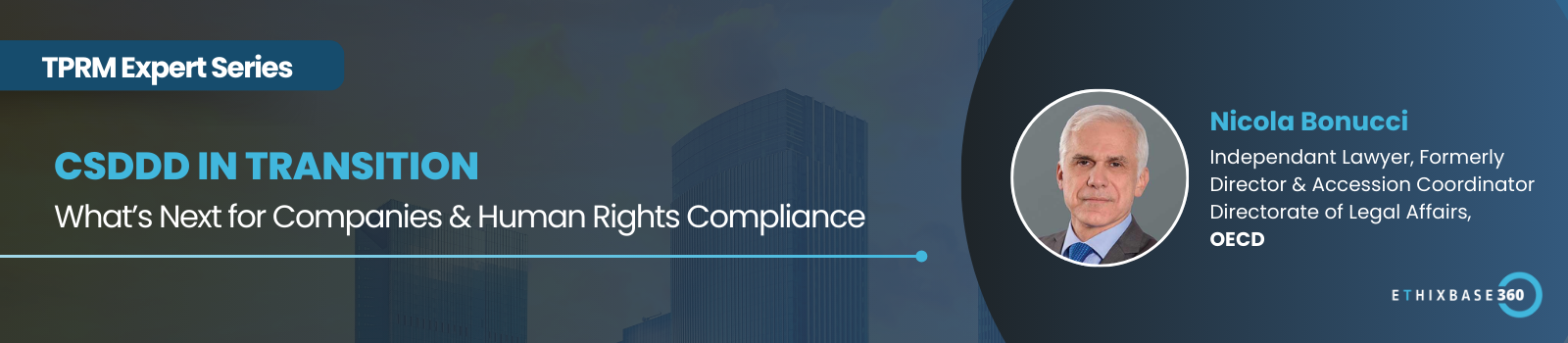
As the EU’s Corporate Sustainability Due Diligence Directive (CSDDD) as adopted in 2024 will significantly evolve, companies operating in and beyond Europe are facing changing expectations around how they identify and manage human rights and environmental risks across their global value chains.
The CSDDD, introduces EU-wide requirements for certain companies to take a more structured approach to identifying, preventing, and addressing adverse human rights and environmental impacts within their own operations and across their value chains.
At the same time, the wider EU sustainability framework remains in transition. Ongoing simplification efforts and political negotiations are shaping how the Directive will apply in practice — including who is covered, when obligations take effect, and how enforcement may work. Recent developments include:
- Efforts to simplify and better align the CSDDD with existing EU sustainability reporting requirements, with the aim of reducing complexity and providing clearer thresholds and timelines
- Provisional agreements between the European Parliament and Council to narrow obligations and focus enforcement on larger companies
- Continued debate over how to balance regulatory ambition with competitiveness, creating ongoing uncertainty for many organisations
This session will help you understand where things stand today and what these changes mean in practice, so you can plan ahead with greater confidence.
Key discussion topics include:
- The current state of the CSDDD and how recent proposals may affect scope, timing, and enforcement
- Practical steps for building effective human rights and environmental due diligence processes
- How due diligence expectations link to sustainability reporting requirements
- Managing third-party and supply-chain risk amid evolving regulatory expectations
Whether you are refining your 2026 compliance plans or preparing for phased implementation in the years ahead, this webinar will provide clear, practical insight to help you move forward with confidence.
Speakers:
- Nicola Bonucci, Independant Lawyer, Formerly Director & Accession Coordinator Directorate of Legal Affairs, OECD

The TPRM Expert Series is designed to provide ongoing, practical insight between editions of the Third-Party Risk Management Summit, which will now take place on a biennial basis. Together, they form a connected platform for senior practitioners, regulators, and advisors to engage on evolving enforcement priorities and regulatory expectations across anti-corruption, trade and sanctions, AI, supply-chain transparency, modern slavery, and human rights.
More information on upcoming sessions will be shared soon. To receive updates, sign up to our mailing list.