 Skip to content
Configurable Platform
The oil and gas industry is increasingly expected to deliver sustainable and ethical practices in addition to growing profitability. You need a third-party risk management and due diligence platform that can be configured to your changing needs. Ethixbase360 was designed for rapid configuration to your specific risk specifications, triggers, approval processes and workflows.
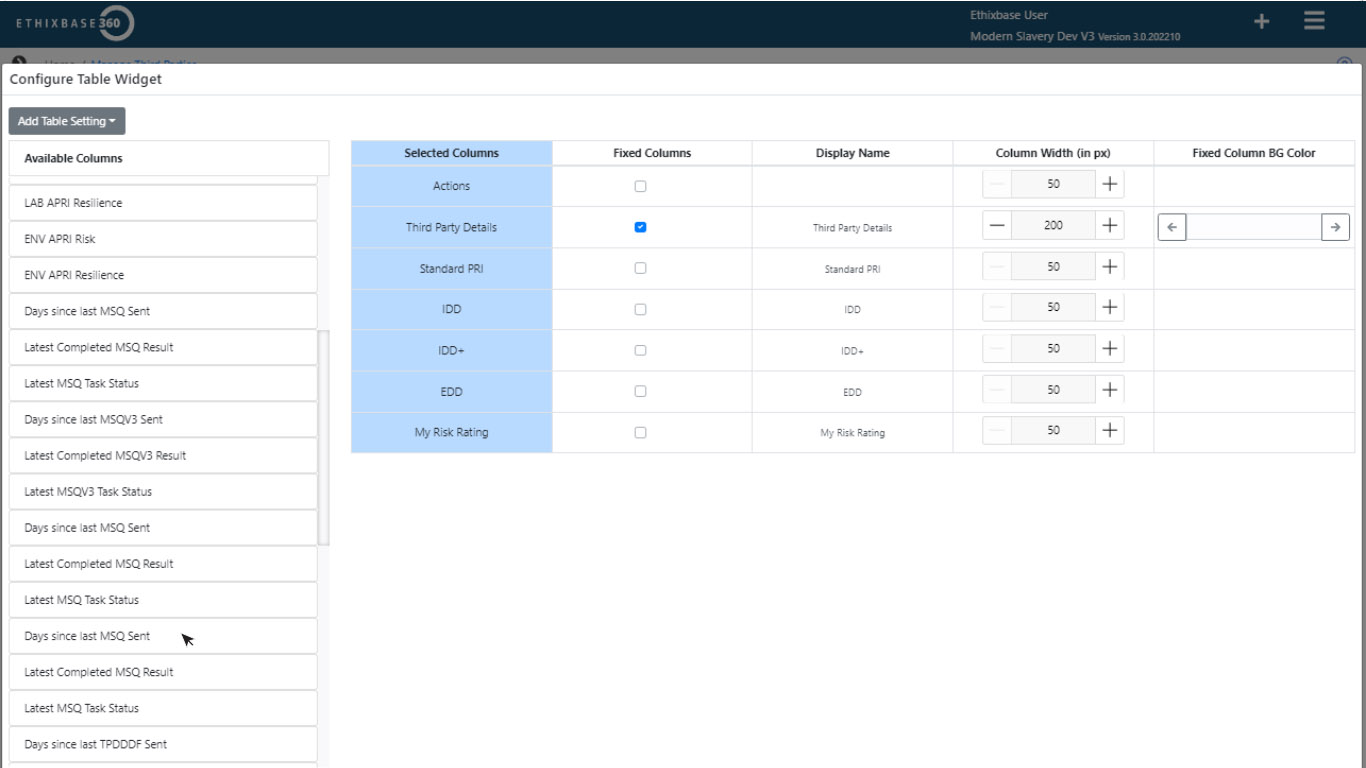
Collaborative Due Diligence & Third Party Certification
Our collaborative solutions greatly improve problem solving and outcomes. Our analysts engage directly with third parties for additional source information. You can rely on TRAC™ for due diligence on low-risk third parties and Tcertification™ and ESGMetrics™ for high-risk entities that require vetting, training, and certification.
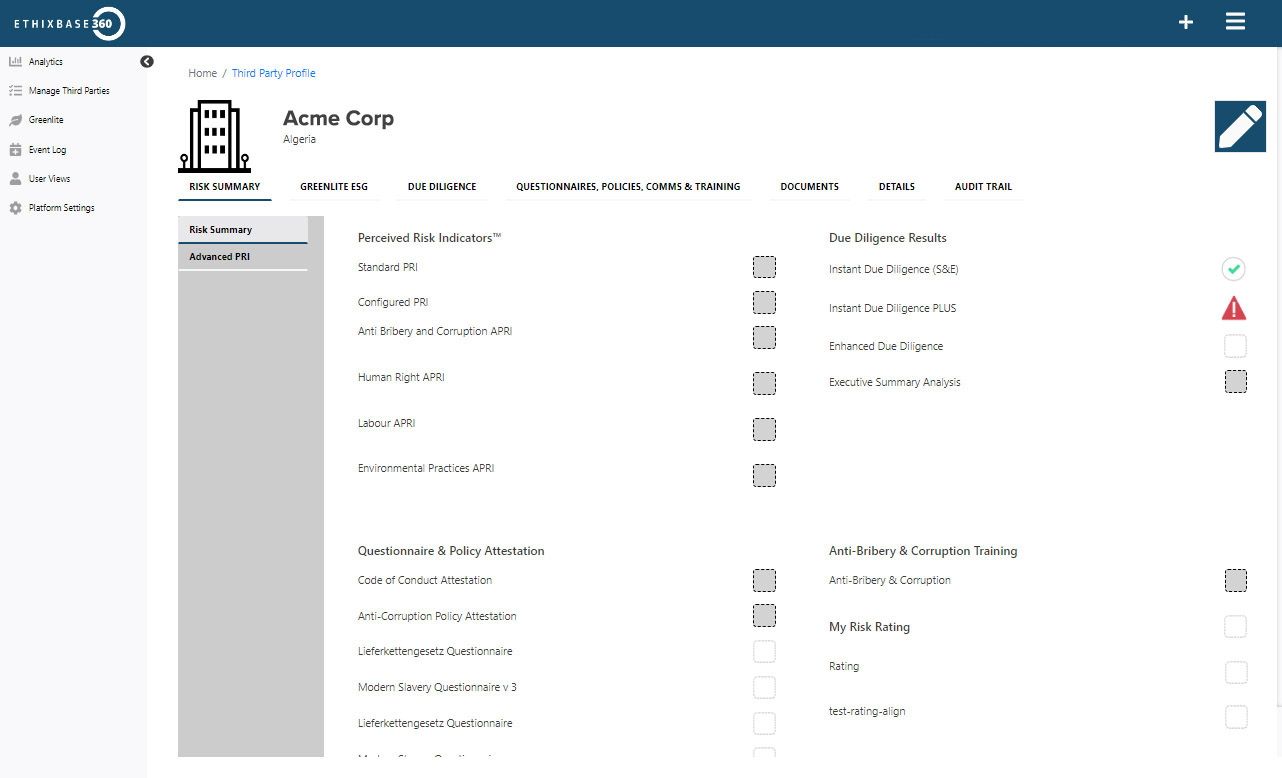
Risk-Based Due Diligence and Monitoring
Third-party risks can change as quickly as oil and gas prices can fluctuate. Ethixbase360 ensures your due diligence is always up to date. Get instant access to information on sanctions, adverse media, and other liabilities for third parties anywhere in the world. Enable continuous risk monitoring for all third parties and their associates saved on the platform and dive deep into high-risk entities with our multilingual investigative research reports.
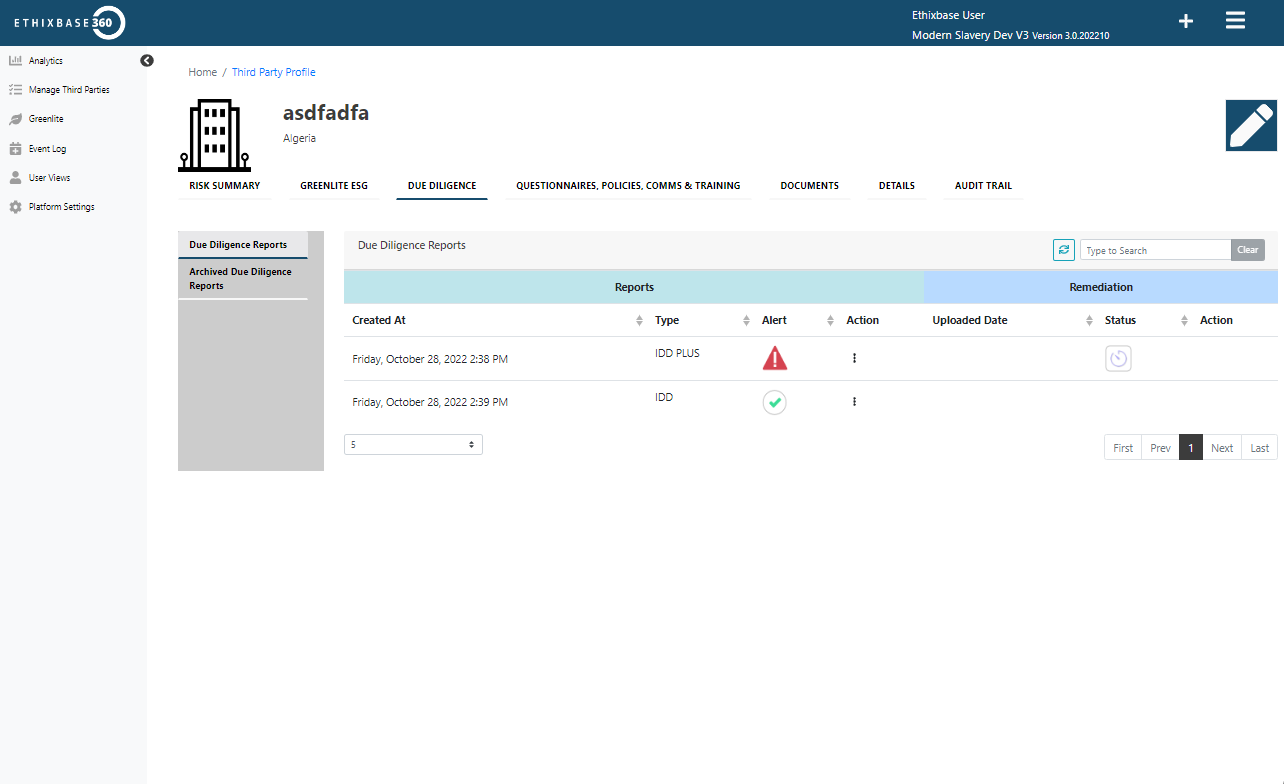
Automated Risk-Triggered Workflows
You need a third-party risk management platform that can accommodate your existing processes, not the other way around. Ethixbase360 can be configured to your unique processes and workflows for seamless transition to an automated system. It will trigger proportionate risk-based due diligence and response, including escalation to internal approvers.
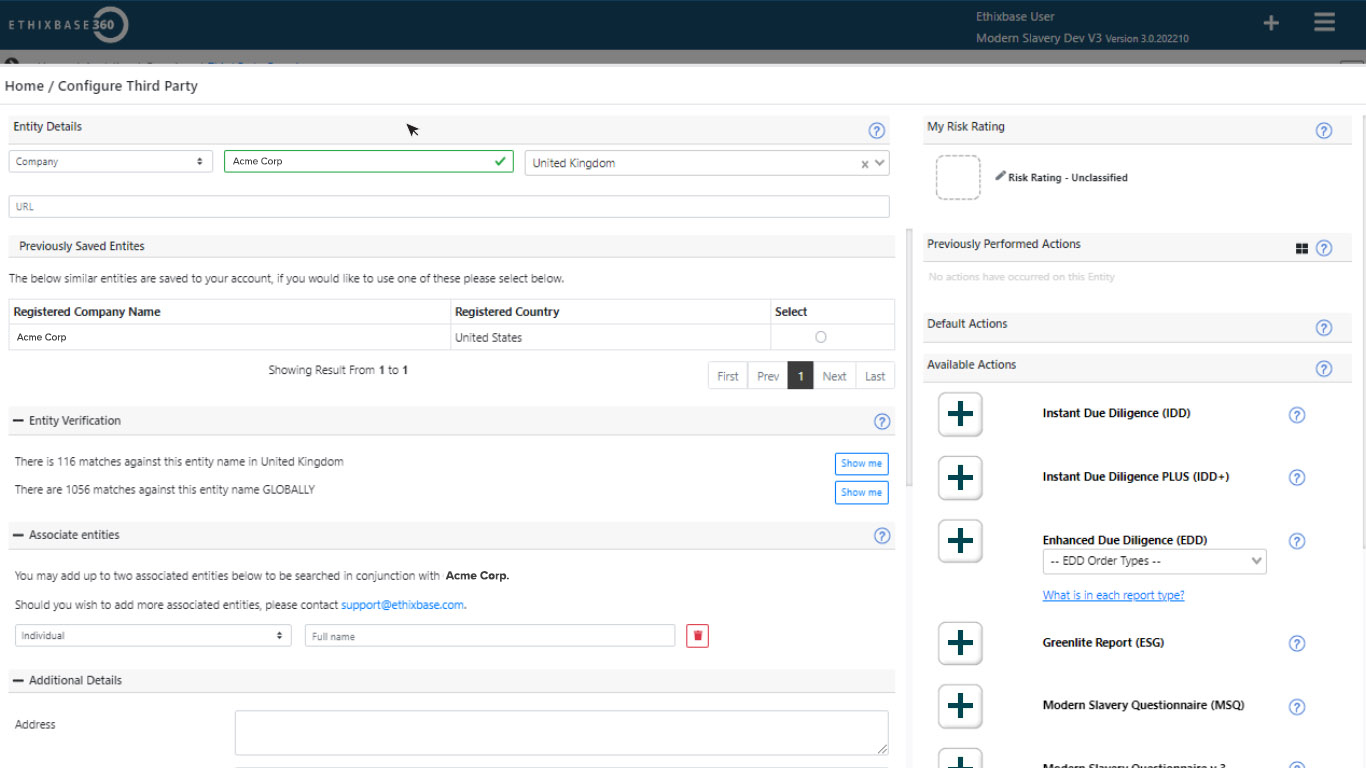
Real-Time Reporting and Analytics
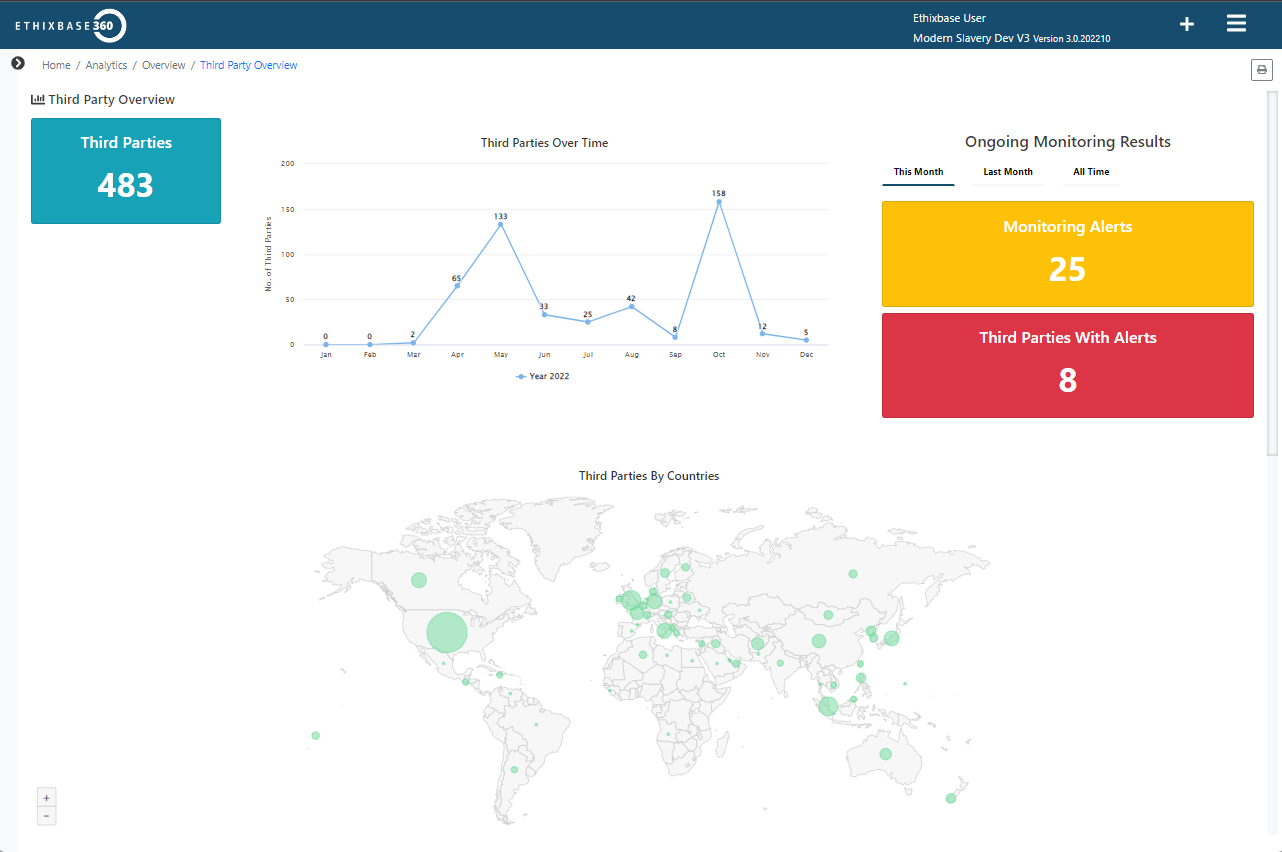
Oil and gas companies operate in some of the most volatile regions in the world. You need a 360° view of risks across your entire supply chain to unearth threats and bad actors and ensure ESG compliance. With Ethixbase360, you’ll be able to leverage configurable reports with drill-down capability in real time for intelligence you can act on, in the moment.

Intelligence Hub – From Statement to Proof: What UK and Australian Modern Slavery Reforms Signal for Global Compliance Programs
Intelligence Hub · Webinar Companion Page Modern Slavery UK Australia New Zealand Forced Labour Import Bans 3Named speakers 3Jurisdictions: […]
From Statement to Proof: What UK and Australian Modern Slavery Reforms Signal for Global Compliance Programs
Modern slavery laws have long focused on transparency. Now, developments in the UK, Australia and New Zealand suggest companies will need to prove their processes actually work in practice.
Best Practices for Identifying, Monitoring and Acting on Third-Party Cyber Risk: Live Demo
Join our 30-minute live demo to see a clear, repeatable approach to identifying, monitoring and acting on third-party cyber risk.
Best Practices for Identifying, Monitoring and Acting on Third-Party Cyber Risk: APAC Live Demo
Mapping and acting on human rights risk across supply chains is becoming increasingly important for businesses to win and protect their business in today’s market. This session shows how to identify, assess, and prioritize human rights risk using the Ethixbase360 platform, from initial supplier screening through to ongoing monitoring.Intelligence Hub: Top 5 Takeaways from Our CSDDD Webinar – What Organizations Should Be Paying Attention To
Intelligence Hub · Webinar Companion Page CSDDD EU Due Diligence Third-Party Risk Civil Liability Implementation 1Named speaker 5Key takeaways […]