Root out bribery and corruption in your third-party network

Strengthen anti-bribery and corruption oversight through risk-based due diligence, continuous monitoring, automated screening, and full audit trails across third parties.

Why anti-bribery and corruption risk is hard to manage

Detecting corruption
and bribery is complex

Bribery and corruption risks remain hidden until breaches, investigations, or reputational damage occurs.

Due diligence is treated
as a one-time exercise

After initial checks at onboarding, ongoing due diligence is not embedded into operations increasing risk and exposures.

Decisions are hard
to defend

Fragmented data and incomplete audit trails hinder transparency and weaken an organization’s defensible position.

How the Ethixbase360 Platform Solves It

Consistent, Risk-Based Due Diligence

Conduct proportionate anti bribery and corruption due diligence tailored to third party risk type and geography.

Ongoing risk visibility

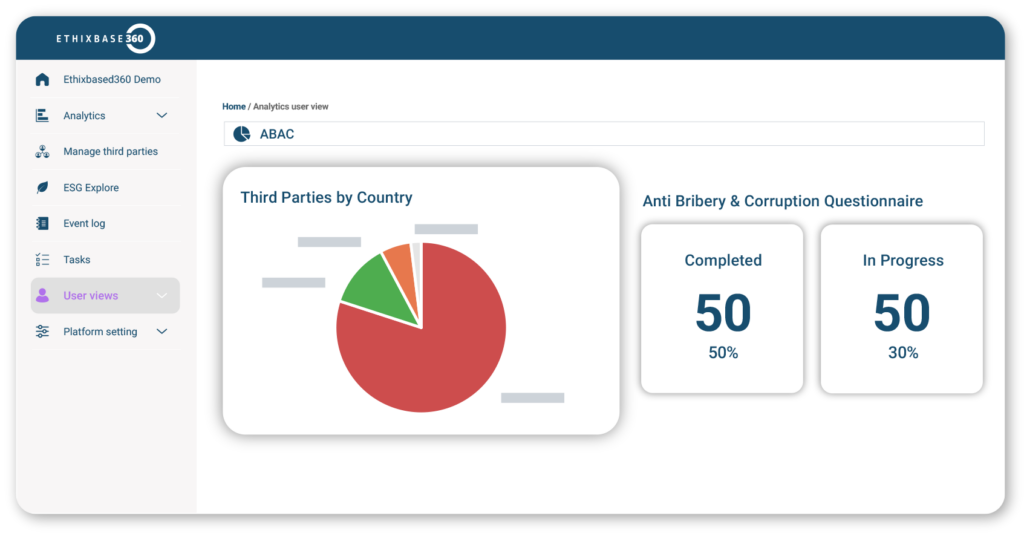
Screen and monitor third parties continuously via automated workflows to identify and act on emerging risks areas.

Defensible decision-making

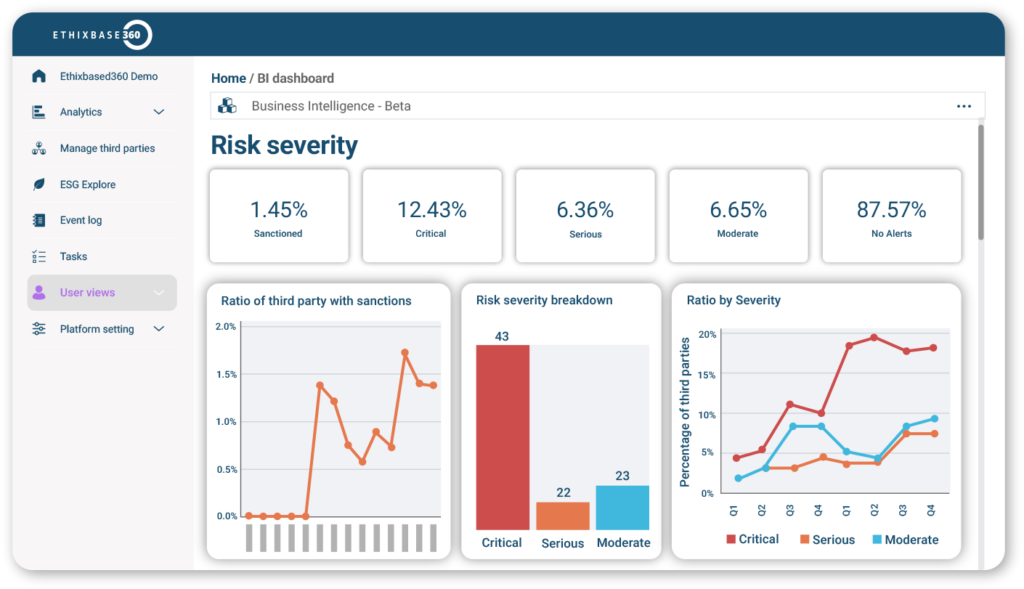
Combine third-party risk signals across domains – Anti-Bribery & Corruption, Sustainability, Modern Slavery, Human Rights and Cyber into unified dashboard for defensible, timely decisions.

Key Capabilities

Risk Assessment

Assess risk consistently and on your organizations own terms via automated risk assessment methodologies recorded within the platform.
Integrated and ongoing screening and monitoring

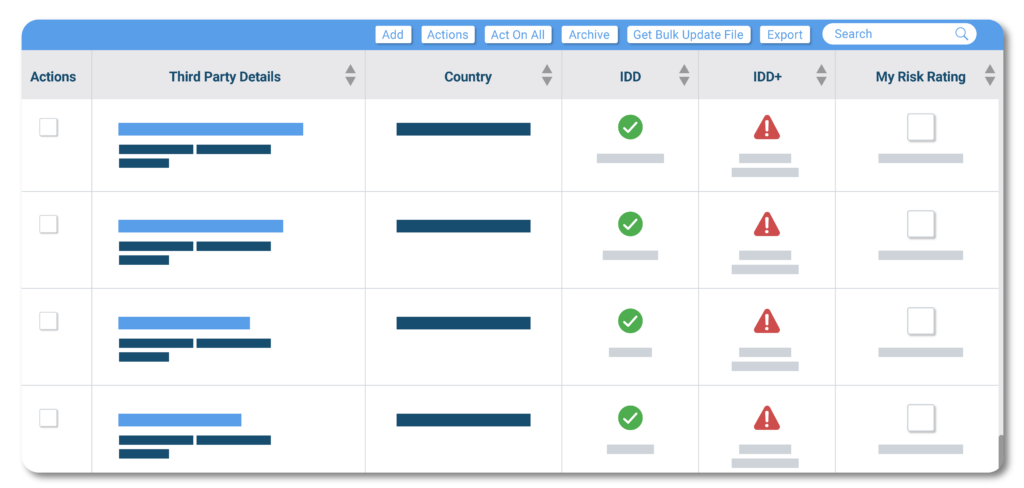
Screen vendors against sanctions, adverse media, and political exposure lists while maintaining a complete audit trail.
Automated Risk Based Workflows

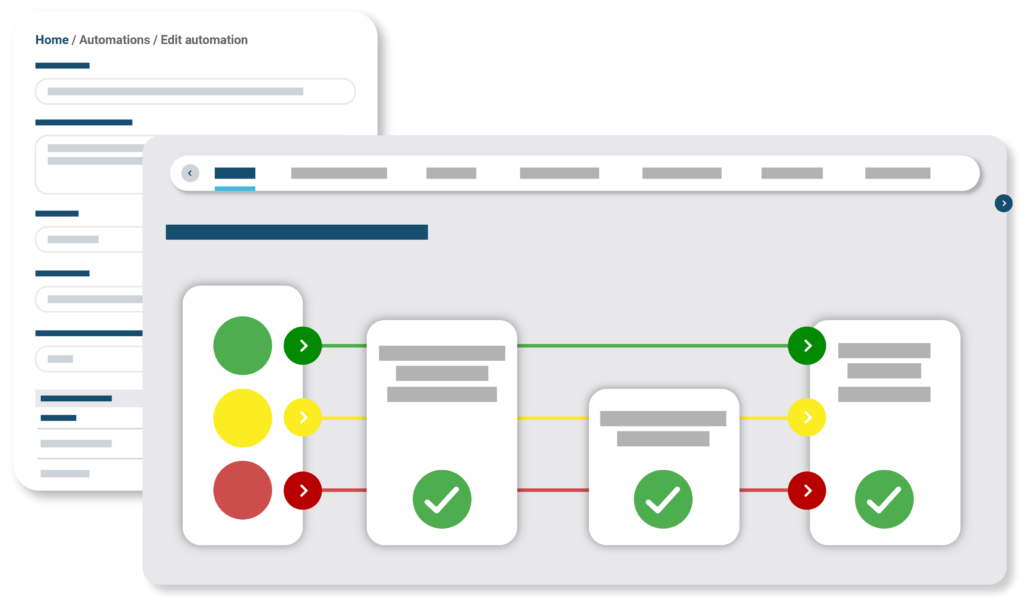
Automatically trigger proportionate levels of screening, due diligence or engagement activity via risk-specific questionnaires, third party training or collaborative assessment.
Enhanced Due Diligence

Conduct deeper investigations into high-risk third parties and their associates anywhere in the world.
Third-party certification and validation

Establish compliance through efficient information exchange, validation and continuous third-party monitoring.

Frequently Asked Questions

Why does corruption risk persist after onboarding?

Third-party behaviour and exposure can change during a relationship. Onetime due diligence often fails to capture emerging risk. 

The platform combines assessments, screening, monitoring, and workflows to maintain continuous oversight. 

Higher risk third parties trigger deeper due diligence and additional controls. Actions are documented for defensibility. 

Yes. High risk relationships can trigger enhanced due diligence and further investigation. 

Yes. All actions and findings are stored centrally. 

Resources

Our Latest News, Case Studies, Webinars & More